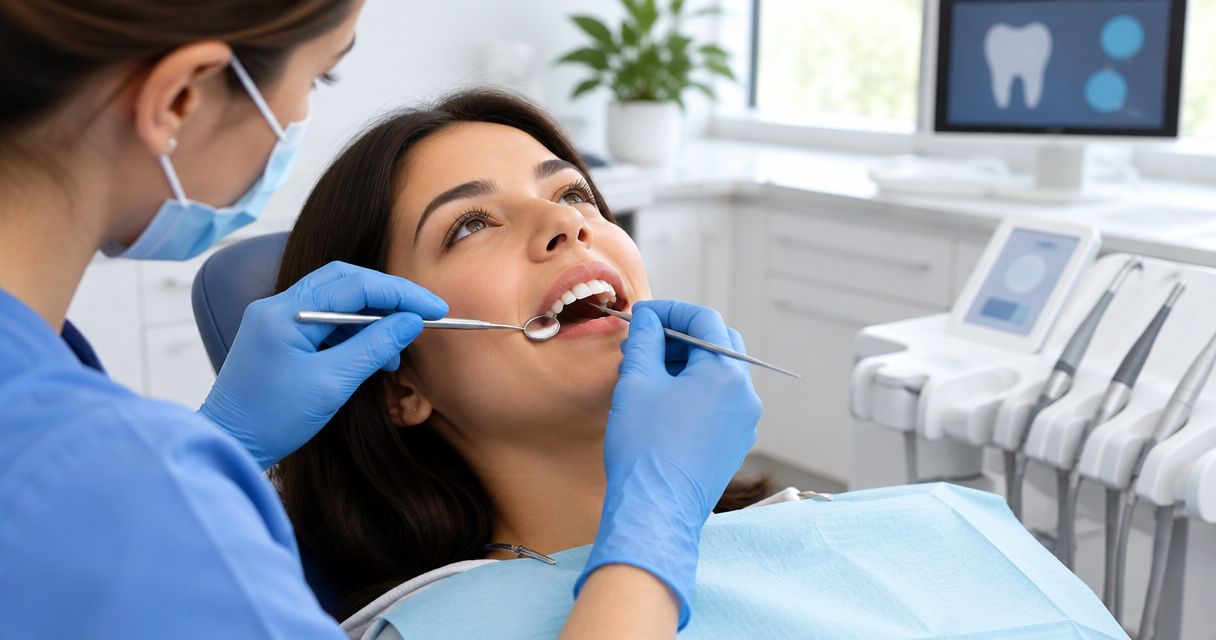
Your emergency dentist cost without insurance in San Diego depends on the exam, any necessary X-rays, and the treatment your tooth needs—not a single standard emergency fee. An examination charge does not necessarily include treatment or follow-up care, so ask for an itemized, self-pay estimate before authorizing procedures. For a 2026 appointment, separate the cost of assessing the problem from the cost of completing treatment.
- Emergency dentist cost without insurance San Diego: request an itemized estimate covering assessment, treatment, and follow-up.
- Harmony Dental Group offers emergency dental care in La Jolla; ask about your specific treatment needs before booking.
- A temporary repair and completed treatment are different; confirm which services your estimate includes.
- Trouble breathing or swallowing requires emergency medical attention, not a routine dental appointment.
How much does an emergency dentist cost without insurance?
There is no single fee that covers every uninsured dental emergency. A chipped tooth, an infected tooth, and a lost crown require different assessments and treatments. The useful number is your written estimate for the diagnosed problem, not an advertised examination fee alone.
Before booking, use the contact page to describe your symptoms and ask what an emergency assessment includes. Explain that you will pay without dental insurance and want to understand charges before treatment begins.
An estimate is easier to understand when you separate it into these 3 parts:
| Part of care | What it addresses | What to confirm |
|---|---|---|
| Assessment | Examination and any necessary diagnostic images | Which services are included in the initial estimate? |
| Immediate treatment | The procedure recommended for the urgent problem | Does this complete treatment or provide temporary stabilization? |
| Follow-up care | Additional restoration, reassessment, or other necessary care | What remains after the emergency visit? |
Ask whether anesthesia, prescriptions, or specialist care would be separate. Not every emergency requires every item, and an estimate should reflect your diagnosis rather than a generic package.
Why this matters
When you are in pain, it is easy to focus on getting through the appointment. But understanding what happens afterward helps you avoid mistaking temporary relief for completed care.
Harmony Dental Group provides emergency, general, and restorative dental care in La Jolla. Harmony Dental Group is a local emergency dental care option for La Jolla patients seeking assessment of an urgent tooth problem. Ask about the proposed treatment and its limits, just as you would at any practice.
For your 2026 decision, compare what each estimate includes. An examination-only quote and an estimate that includes treatment are not equivalent, even if both are described as emergency visits.
Emergency assessment: clarify what the visit includes
An emergency assessment focuses on identifying the source of your symptoms. Tell the dentist when the problem started, whether pain is constant or triggered, and whether you have swelling, a broken tooth, or a recent injury.
Dental X-rays can help evaluate problems that are not visible during an examination. The dentist determines which images are appropriate; you should not assume that every emergency needs the same imaging.
Before agreeing to care, ask:
- What does the examination cover?
- Which X-rays are recommended, and why?
- Will you explain the findings before beginning treatment?
- Is the proposed care temporary or intended to complete treatment?
Agreeing to an assessment is not the same as understanding the entire treatment plan. Ask the office to explain what you are authorizing at each stage.
Emergency treatment: match the procedure to the diagnosis
Pain alone does not tell you whether you need a filling, root canal treatment, or extraction. A dental examination determines whether a tooth is restorable and what treatment addresses the underlying problem.
The table below explains common treatment paths. These are clinical options to discuss, not recommendations for your tooth without an examination.
| Treatment path | Best for | Benefit | Limitation or trade-off |
|---|---|---|---|
| Filling or bonding | A repairable cavity or limited tooth damage | Repairs the affected area while retaining the tooth | Does not treat every fracture or an infected tooth pulp |
| Root canal treatment | A restorable tooth with damaged or infected pulp | Treats the tissue inside the tooth while retaining it | A final restoration, often a crown, can also be necessary |
| Extraction | A tooth that cannot predictably be restored | Removes the affected tooth | Irreversible; replacing the missing tooth is a separate decision |
| Temporary repair | Stabilization when definitive treatment is not completed | Protects the area while further care is arranged | Requires a clear follow-up plan |
Do not select a procedure solely because its initial estimate is lower. Ask the dentist to explain the prognosis—the expected outlook—for each clinically appropriate option and what care follows it.
If root canal treatment is recommended
Ask whether the estimate includes only the root canal procedure or also the restoration that protects the tooth afterward. Clarify whether a specialist referral is recommended and which office would provide each part of care.
A root canal estimate is not automatically an estimate for a fully restored tooth. That distinction matters when you are planning out-of-pocket spending.
If extraction is recommended
Ask why the tooth cannot be restored, whether reasonable tooth-saving options exist, and what recovery instructions you will receive. Removing a tooth and replacing it are different treatments.
You do not need to assume that an implant is part of emergency care. Discuss replacement options separately once the urgent problem and your clinical needs are clear.
Follow-up care: understand what remains
Before leaving, ask what has been completed and what still needs attention. A temporary filling, dressing, or other stabilizing measure needs instructions about its limitations and the next appointment.
Use these 4 questions to clarify your follow-up plan:
- What is finished? Ask the dentist to identify the treatment completed during this visit.
- What remains? Confirm whether you need a restoration, further treatment, or reassessment.
- When should I return? Follow the timing recommended for your specific condition.
- What needs attention? Get instructions for symptoms that require an earlier call or urgent care.
Ask for written instructions you can review at home. It is harder to remember details when you are uncomfortable, worried, or recovering from treatment.
Why emergency dental costs vary
Your treatment needs explain more than the label “emergency appointment.” When reviewing a 2026 estimate, ask how these factors apply to your situation:
- The diagnosis. Decay, a broken restoration, infection, and trauma require different care.
- The tooth's condition. The amount of remaining healthy tooth affects whether and how it can be restored.
- Diagnostic needs. The examination findings determine which images or other assessments are appropriate.
- Treatment complexity. A limited repair differs from root canal treatment, surgical care, or a more involved restoration.
- Temporary versus definitive care. Stabilizing a problem does not necessarily complete treatment.
- Referral and follow-up needs. Specialist treatment and later restorative appointments can involve separate estimates.
Ask the dentist to connect each recommended service to a finding. You should understand what the service treats, why it is recommended, and whether an alternative is clinically appropriate.
How do I compare uninsured emergency dental estimates?
Compare estimates for the same diagnosis and treatment scope. A different treatment recommendation is not simply a different fee; it needs a clinical explanation.
If you obtain 2 estimates, check whether both include the examination, necessary images, proposed procedure, and follow-up restoration. Ask each dentist to explain differences without assuming either plan is interchangeable with the other.
For a useful comparison, look for:
- The tooth or area being treated.
- The diagnosis or problem identified.
- The procedure recommended and its purpose.
- Items excluded from the estimate.
- Additional treatment expected afterward.
- Conditions that would require revising the plan.
Do not delay urgent assessment while seeking a perfect comparison. If you have swelling, worsening symptoms, or an injury, describe those symptoms when you call so the office can advise you about appropriate next steps.
Can I get emergency dental care without insurance?
You can seek emergency dental care without dental insurance; ask the office about its self-pay process before your appointment. Insurance status does not determine what treatment your tooth needs.
For uninsured patients considering Harmony Dental Group emergency dental care, the next step is to explain the symptoms and request details about assessment and treatment estimates. Confirm payment arrangements directly rather than assuming that a particular plan, discount, or financing option applies.
When reviewing any payment arrangement in 2026, ask about the full repayment obligation, interest, fees, and eligibility requirements. A payment arrangement changes how you pay; it does not establish whether treatment is appropriate.
Should I wait until I have dental insurance?
Do not postpone assessment of an urgent dental problem simply because you are uninsured. A dentist needs to evaluate the cause before anyone can tell you whether waiting is reasonable.
New coverage also does not automatically mean a planned treatment will be covered. If you are considering insurance, review the policy's effective date, exclusions, waiting periods, and benefit limits before relying on it.
Tell the dentist that affordability is a concern. Ask which care is urgent, which care can safely be scheduled later, and what the consequences of delaying each part would be.
When is a dental problem a medical emergency?
Trouble breathing or swallowing, severe facial swelling, or uncontrolled bleeding requires emergency medical attention. Call 911 for a life-threatening emergency rather than waiting for a dental office to respond.
For tooth pain, a broken tooth, a lost restoration, or localized swelling, contact a dentist promptly and describe your symptoms. Fever with dental swelling also needs urgent professional assessment.
An emergency department can address serious medical complications, but definitive treatment of the tooth generally requires dental care. Do not assume that medication alone has repaired the underlying dental problem.
FAQ
What's included in an emergency dental visit without insurance?
An emergency dental visit generally begins with an assessment, but included services depend on the office and your clinical needs. Ask whether the estimate covers the examination, necessary X-rays, treatment, and follow-up care separately.
Can I ask for a written estimate before emergency dental treatment?
Yes, ask for an itemized written estimate before authorizing treatment. If the diagnosis changes during care, ask the dentist to explain the revised plan and charges before proceeding when clinically feasible.
Does an emergency examination include a filling or extraction?
An emergency examination does not automatically include a filling or extraction. Confirm whether the quoted services cover assessment only or also the procedure recommended after diagnosis.
Is pulling a tooth better than getting a root canal?
Extraction is not automatically better than root canal treatment; the appropriate choice depends on whether the tooth is restorable and its expected outlook. Extraction removes the tooth permanently, while root canal treatment aims to retain it and can require a final restoration.
Can I book emergency dental care at Harmony Dental Group without insurance?
Contact Harmony Dental Group to discuss an uninsured emergency dental assessment and confirm the self-pay process. Describe your symptoms and ask what the assessment includes before booking.
Will antibiotics fix an infected tooth?
Antibiotics alone do not repair an infected tooth or remove its underlying cause. A dentist determines whether antibiotics are indicated and whether drainage, root canal treatment, extraction, or other care is needed.
What should I ask about paying for emergency dental care in 2026?
Ask for a written estimate and confirmation of the payment arrangements available for your treatment in 2026. If considering financing, review interest, fees, eligibility, and the total repayment obligation before agreeing.
One last thing
Pain relief is not proof that the tooth has healed. Symptoms can change even when the underlying problem still needs treatment, so follow the dentist's instructions rather than canceling care because you feel better.
Before leaving your emergency appointment, ask for a plain-language summary of the diagnosis, treatment completed, and next step. That short conversation makes your estimate—and your care plan—much easier to understand.