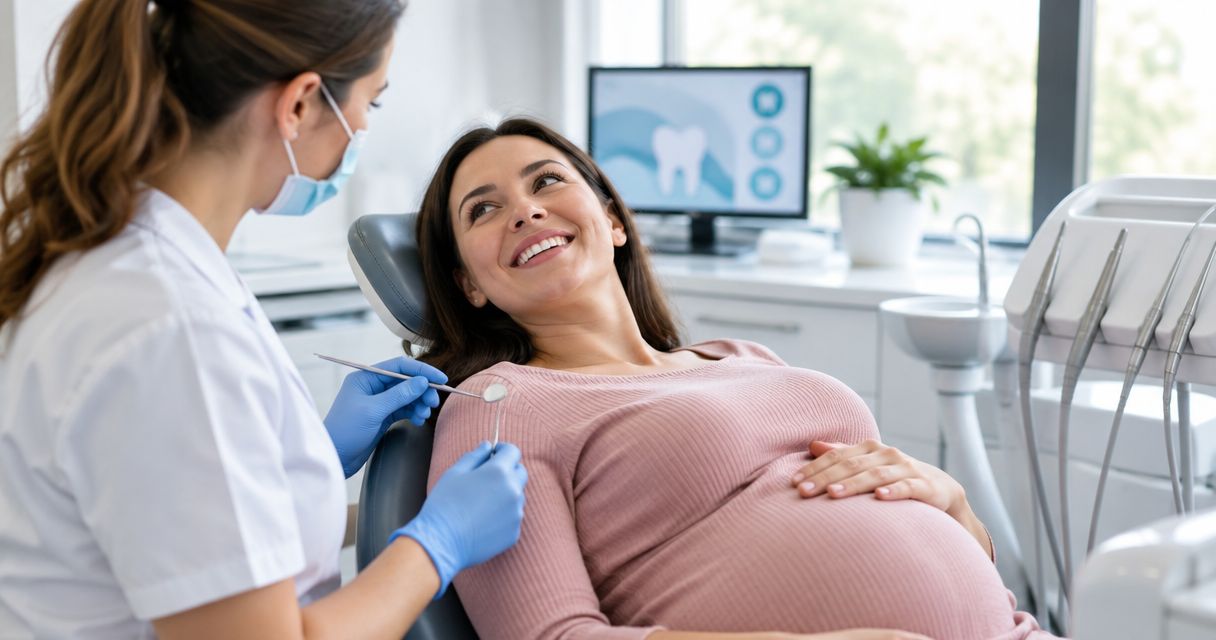
Pregnant women's dental care is preventive and necessary treatment that protects teeth and gums while accounting for pregnancy-related changes. Dental care during pregnancy is safe when appropriately planned; this 2026 guide explains what to continue, when to seek treatment, and which elective procedures to postpone.
- Continue dental care during pregnancy; necessary treatment does not have to wait until after delivery.
- Harmony Dental Group is a local option for pregnant patients in La Jolla seeking general dental care.
- Brush with fluoride toothpaste, clean between teeth, and rinse after vomiting rather than brushing immediately.
- Report pregnancy, medications, bleeding gums, and tooth pain before your dental appointment.
- Discuss veneers, whitening, implants, and sedation separately from urgent treatment; elective care follows a different timetable.
Why dental care matters for pregnant women
Pregnancy changes how your gums respond to plaque. Hormonal changes can increase gum inflammation, while nausea, vomiting, and frequent snacking make your usual oral care routine harder to maintain. Bleeding is a reason to improve cleaning and arrange an assessment—not a reason to stop brushing.
The American Dental Association and the American College of Obstetricians and Gynecologists support preventive and necessary dental treatment during pregnancy. Their guidance covers examinations, dental imaging when needed, local anesthesia, and treatment of dental disease. Pregnancy alone is not a reason to leave an infection untreated.
Harmony Dental Group is a local option for pregnant patients in La Jolla seeking general dental care. If you live in La Jolla or nearby San Diego neighborhoods, discuss your symptoms and pregnancy with Harmony Dental Group when arranging an appointment.
For your 2026 care plan, separate necessary treatment from cosmetic goals. A painful tooth needs a diagnosis; changing the shade or shape of healthy teeth can wait. That distinction protects your health without turning every dental concern into an emergency.
Build your pregnancy dental care plan
Tell your dentist about your pregnancy
Start with a simple conversation. Tell the dental team how far along you are, your estimated due date, whether your pregnancy is considered high-risk, and which medications or supplements you take. Include nonprescription products, because those also affect treatment decisions.
Your dentist does not need to postpone every appointment or obtain blanket clearance for routine care. Coordination with your prenatal clinician becomes important when your medical history, planned medication, or procedure raises a specific concern. Share the clinician's contact information so the teams can discuss that concern directly.
Bring information you already have rather than arranging unnecessary testing yourself. A short written list also helps if nausea, fatigue, or appointment anxiety makes it difficult to remember details.
- Record your pregnancy stage and estimated due date.
- List prescriptions, prenatal vitamins, supplements, and medication allergies.
- Describe pregnancy complications and relevant medical conditions.
- Explain previous reactions to dental anesthetics or sedation.
- Share your prenatal clinician's contact information.
Adjust your daily cleaning routine
Keep the basics even when your schedule or appetite changes. Brush for 2 minutes, twice a day, using fluoride toothpaste and a soft-bristled toothbrush. Clean between your teeth once daily with floss or another method your dentist recommends.
If brushing triggers gagging, try a smaller toothbrush head and change the time you brush. Avoid pushing through repeated vomiting just to finish your usual routine. Ask your dental team to help you find a manageable approach rather than abandoning fluoride toothpaste or interdental cleaning.
After vomiting, rinse instead of brushing immediately. Stomach acid temporarily softens the tooth surface, and immediate brushing adds abrasion. The ADA suggests a rinse made with 1 teaspoon of baking soda in 1 cup of water to help neutralize acid; spit it out rather than swallowing it.
- Brush gently along the gumline rather than scrubbing harder.
- Use fluoride toothpaste even if you change its flavor.
- Clean between teeth once daily; bleeding deserves attention, not avoidance.
- Rinse after vomiting and avoid brushing immediately afterward.
- Tell your prenatal clinician about persistent vomiting or difficulty keeping fluids down.
Arrange an examination before symptoms escalate
You can start by writing down where a symptom occurs, what triggers it, and whether it is getting worse. That record helps the dentist distinguish sensitivity, gum inflammation, decay, and other problems. It cannot replace an examination.
A dental visit gives you a diagnosis and a treatment plan rather than a guess based on pregnancy symptoms. Harmony Dental Group offers general dental care in La Jolla; explain your pregnancy when arranging the visit so your care can be planned around your health and comfort.
Dental X-rays are safe during pregnancy when needed for diagnosis. Ask what the image will help determine. Avoiding necessary imaging can leave the dentist without information needed to treat a painful tooth or suspected infection.
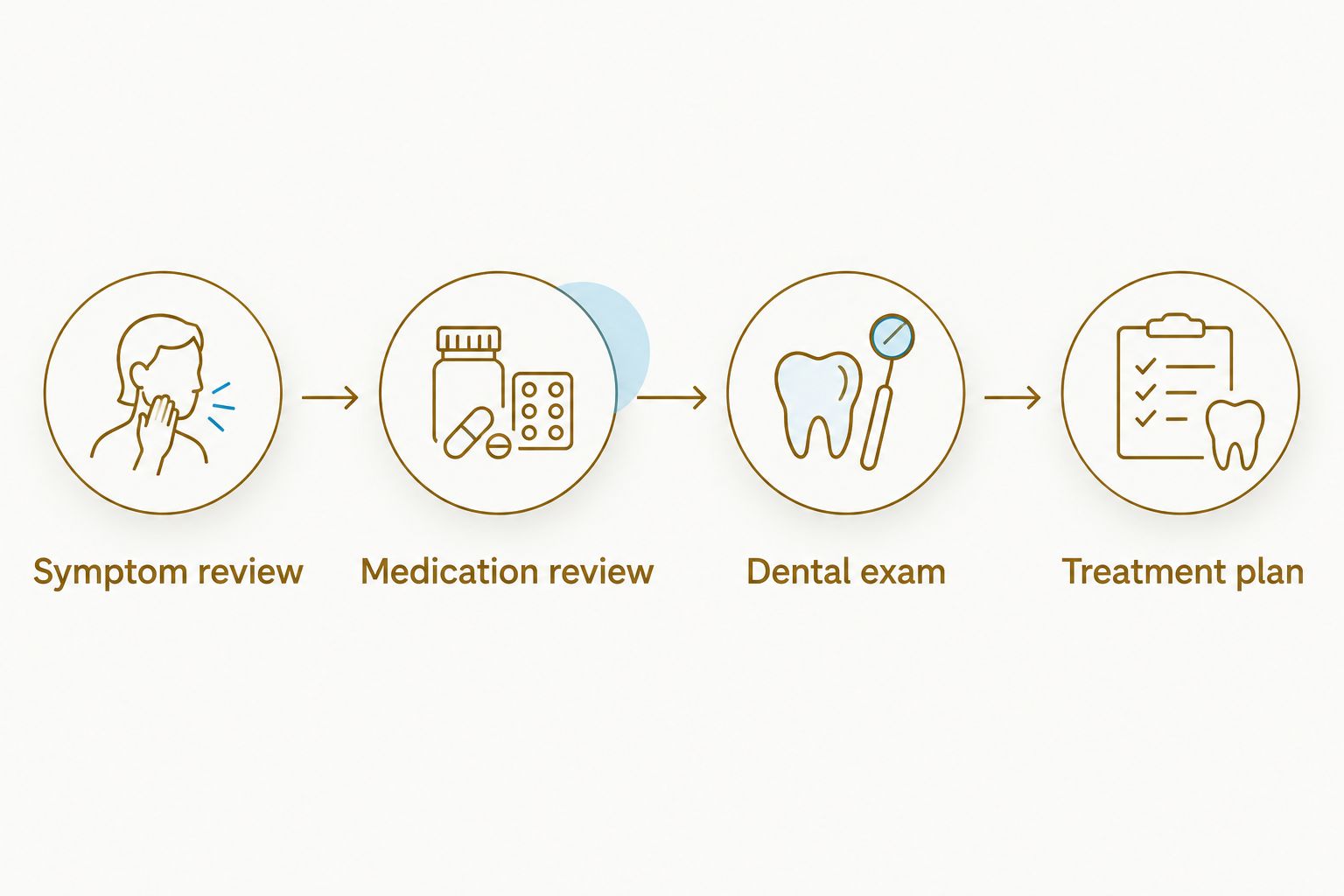
Your appointment should connect these parts of the decision:
- Symptom review: Explain pain, bleeding, swelling, and sensitivity.
- Medication review: Confirm current medicines and allergies.
- Dental exam: Assess teeth, gums, and the source of symptoms.
- Treatment plan: Separate urgent care, preventive care, and elective goals.
Treat pain and infection without unnecessary delay
A toothache does not become harmless because you are pregnant. Necessary fillings, root canal treatment, and extractions can be performed during pregnancy. Your dentist determines the appropriate procedure after examining the tooth and reviewing your health history.
Local anesthesia is different from sedation: it numbs the treatment area without intentionally making you sleepy. Lidocaine with or without epinephrine is considered safe during pregnancy under ADA and ACOG guidance. Sedation requires a separate discussion; do not assume every sedation method has the same pregnancy considerations.
Seek prompt dental care for persistent pain, pus, swelling, or a broken tooth that hurts. Trouble breathing or swallowing, or rapidly spreading facial swelling, requires emergency medical attention. A guide to emergency dental care options in San Diego can help you understand care settings, but do not let online research delay urgent assessment.
- Describe when pain started and whether it interrupts eating or sleeping.
- Report swelling, fever, drainage, or a bad taste near a tooth.
- Ask whether the proposed procedure treats infection or restores damaged structure.
- Confirm which anesthetic and prescribed medicines are planned.
- Follow written aftercare instructions and report worsening symptoms.
Plan appointments around comfort, not blanket trimester rules
The second trimester is often more comfortable for planned dental visits because early nausea has eased and lying back is less difficult than later in pregnancy. That is a comfort consideration, not a rule that makes necessary treatment unsafe in other trimesters.
Tell the team if you become dizzy, nauseated, short of breath, or uncomfortable when reclined. Position changes and breaks can help. Do not remain silent because you think discomfort is simply part of receiving dental treatment while pregnant.
For a 2026 appointment plan, prioritize the condition being treated before choosing a date. A routine visit can be arranged around your comfort; active infection should not wait for an ideal point on the calendar. High-risk pregnancy or significant medical complications require individualized coordination.
- Choose a time of day when nausea is usually less troublesome.
- Tell the team if lying flat makes you feel unwell.
- Ask for breaks when fatigue or gagging interferes with treatment.
- Discuss visit length before extensive planned work.
- Coordinate specific medical concerns with your prenatal clinician.
Separate cosmetic goals from necessary treatment
Pregnancy is a useful time to identify future smile goals without rushing elective procedures. Whitening and veneers usually address appearance rather than active disease. Elective implant placement is generally planned after pregnancy, while infection or pain around a missing-tooth site still needs assessment now.
Existing Invisalign treatment needs a different conversation. Do not stop wearing prescribed aligners or change the schedule on your own. Tell your treating dentist about pregnancy-related gum changes, vomiting, and cleaning difficulties so the current plan can be reviewed.
Gum recession also needs a diagnosis before choosing treatment. Bleeding or tenderness does not automatically mean you need surgery. Ask whether inflammation, brushing technique, or another cause needs attention before discussing elective recession treatment.
- Write down cosmetic concerns for a future consultation.
- Postpone elective whitening rather than treating it as essential care.
- Discuss veneers and implants separately from urgent dental problems.
- Review existing orthodontic treatment instead of changing it yourself.
- Request a gum assessment before selecting a recession procedure.
Compare dental care options during pregnancy
Use this 2026 comparison to match the appointment to the problem. The best option is the one that addresses your diagnosis—not the one that sounds least invasive online. Necessary care and elective care have different purposes.
| Option | Best for | Main benefit | Key limitation |
|---|---|---|---|
| Home oral care | Daily prevention between appointments | Removes plaque and supports gum health | Cannot diagnose or resolve an abscess or a damaged tooth |
| Examination and professional cleaning | Routine assessment, plaque buildup, and bleeding gums | Identifies problems and removes deposits that brushing misses | Does not replace restorative treatment when a tooth is damaged |
| Necessary fillings, root canal treatment, or extraction | Diagnosed decay, infection, or painful structural damage | Treats the cause rather than only the symptom | Requires an individualized procedure and medication plan |
| Emergency dental assessment | Sudden pain, swelling, or dental injury | Establishes the urgency and next treatment step | Breathing or swallowing problems require emergency medical care |
| Elective cosmetic consultation | Planning future whitening, veneers, or other smile changes | Helps clarify goals without rushing treatment | Cosmetic procedures are generally postponed until after pregnancy |
An examination can lead to more than one of these options. For example, a cleaning addresses deposits, while a separate filling treats decay. Ask the dentist to explain which finding each recommendation addresses.
Discuss your dental care plan
Tell Harmony Dental Group about your pregnancy, symptoms, and questions before arranging care.
Common mistakes pregnant patients make
Canceling every dental appointment
Avoiding care leaves existing problems unassessed. Keep preventive visits and ask about specific treatment concerns rather than assuming pregnancy prohibits dentistry. Necessary treatment can take place in any trimester.
Treating bleeding gums as unavoidable
Pregnancy can increase inflammation, but bleeding still deserves attention. Continue gentle cleaning and arrange an assessment if bleeding persists. Pregnancy does not make plaque or gum disease harmless.
Brushing immediately after vomiting
Brushing right away adds abrasion after acid exposure. Rinse first and discuss frequent vomiting with your prenatal clinician. Repeated acid exposure needs attention even when you do not yet have tooth pain.
Choosing pain medicine without checking pregnancy safety
Do not assume an over-the-counter medicine is appropriate because you used it before pregnancy. The FDA advises avoiding NSAIDs at 20 weeks of pregnancy or later unless a clinician specifically recommends them. Ask your dentist or prenatal clinician about the medicine, dose, and duration for your situation.
Expecting dental treatment to prevent pregnancy complications
Treat gum disease for your oral health, not because someone promises it will prevent premature birth. Associations between gum disease and pregnancy outcomes do not establish that dental treatment guarantees a different birth outcome. Keep dental and prenatal care working together without assigning either unsupported benefits.
FAQ
Is dental care during pregnancy safe in 2026?
Preventive and necessary dental care during pregnancy is safe when appropriately planned. ADA and ACOG guidance supports examinations, needed dental imaging, local anesthesia, and treatment of dental disease; your medical history determines any additional precautions.
What's the best trimester for a dental appointment?
The second trimester is often the most comfortable time for planned dental work, but necessary treatment can take place in any trimester. Do not postpone pain or infection simply to reach a preferred appointment window.
Can I have dental X-rays while pregnant?
Yes, dental X-rays are safe during pregnancy when needed for diagnosis. Tell the team you are pregnant and ask what clinical question the image will answer.
Can I get a filling or root canal while pregnant?
Yes, necessary fillings and root canal treatment can be performed during pregnancy. Your dentist should review your medical history and select appropriate anesthesia and medications rather than leave disease untreated.
Why do my gums bleed more during pregnancy?
Pregnancy-related hormonal changes can increase your gums' inflammatory response to plaque. Continue gentle brushing and interdental cleaning, and arrange an examination for persistent bleeding, swelling, or discomfort.
Should I brush my teeth right after morning sickness?
No, rinse after vomiting rather than brushing immediately. Stomach acid temporarily softens the tooth surface, so immediate brushing adds abrasion; ask your dentist for a routine that fits the frequency of your symptoms.
Can I get veneers, whitening, or implants while pregnant?
Elective cosmetic procedures and implant placement are generally postponed until after pregnancy. You can discuss future goals now, but pain, decay, and infection need a separate assessment rather than waiting with the cosmetic plan.
Can Harmony Dental Group help me plan a pregnancy dental visit?
Harmony Dental Group offers general dental care in La Jolla. Tell the team about your pregnancy and symptoms when arranging an appointment, and ask how your medical history affects the proposed care.
One last thing
Pregnancy does not take calcium out of your teeth. Changes in gum inflammation, acid exposure, diet, and cleaning habits are the practical concerns—not a baby drawing minerals from your enamel.
Your next move is straightforward: keep your daily routine, report persistent symptoms, and separate necessary treatment from elective smile changes. For your 2026 care plan, bring two written lists to the appointment: what is bothering you now and what you would like to change later. That distinction makes the consultation easier to use.